AAALAC International

Access to selected partner animal programs operating within AAALAC-accredited systems, where required and confirmed for the assigned facility.

One coordinated path connects compound supply and custom synthesis with exploratory non-GLP studies and partner-coordinated GLP safety studies, delivering a decision-ready pre-IND data package.
Start a ProjectThree execution workstreams define what the program needs. Disease areas, models, and species remain separate decisions.
In vitro and in vivo pharmacology, disease-model efficacy, PK/PD, biomarkers, and mechanism-linked endpoints.
Disease models, PK/PD, Biomarkers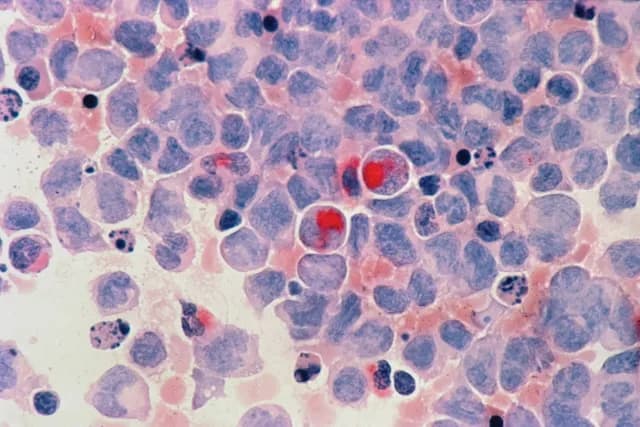
ADME screening, in vivo PK, bioavailability, distribution, metabolism, enzymes, transporters, and exposure strategy.
ADME, PK, Distribution, Metabolism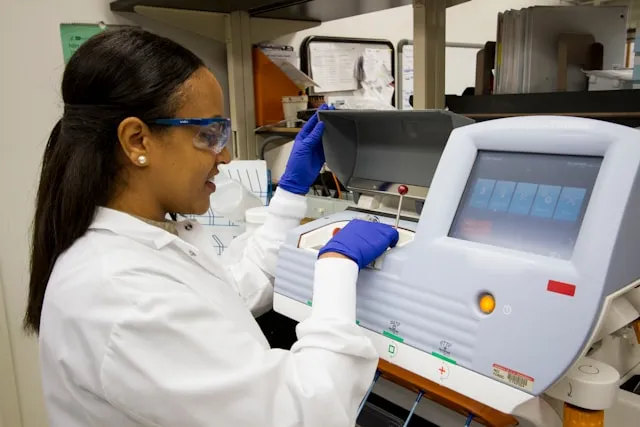
Early toxicity, general and special toxicology, toxicokinetics, and safety pharmacology aligned to development stage.
General tox, Special tox, Safety pharmacology
One coordinated workflow connects material readiness, study planning, partner selection, logistics, execution, and reporting. It reduces handoffs, duplicated work, cross-border shipping burden, and multi-vendor overhead.
Coordinate supply, custom synthesis, characterization, formulation, and local or regional sourcing where practical. Study material can move directly to the selected laboratory with fewer logistics steps and cross-border transfers.
Turn development goals into a practical study plan and match models, endpoints, species, analytical capabilities, and quality needs with suitable partner resources. Reduce vendor screening and fragmented decisions.
Coordinate laboratories, material delivery, technical handoffs, study schedules, and cross-platform dependencies through one project interface. Reduce repeated communication, logistics burden, and execution delays.
Consolidate study outputs, reports, and cross-study findings into one project package. Make the next development decision without rebuilding information across multiple vendors or repeating avoidable work.
Coordinated work and typical deliverables, aligned to your program.
Scroll horizontally to explore all five stages.
Start with the disease biology. Open a therapeutic area to see the corresponding model layer, then continue to a defined model detail.
Defined model pages connect therapeutic context with species, study format, typical applications, and endpoints.
PDX studies use patient-derived tumor tissue in immunodeficient mice for oncology efficacy, PK/PD, biomarker, and tissue-analysis work.
Human PBMC engraftment in NOG-family mice provides a human immune-cell context for T-cell-focused immuno-oncology research and preclinical pharmacology.
The documented HSC-humanized platform engrafts human CD34+ hematopoietic stem cells into NOG-EXL mice expressing human GM-CSF and IL-3.
The documented CIA platform uses DBA/1 mice and type II collagen immunization for rheumatoid-arthritis pharmacology studies involving T- and B-cell biology.
Diet-induced MASH/NASH models, including MCD-, AMLN-, and HFD/STZ-based study formats, support metabolic liver-disease pharmacology with histology, fibrosis, biomarker, and PK/PD endpoints.
High-fat diet-induced obesity models are available in mice and rats for metabolic-disease pharmacology and integrated exposure or biomarker-oriented studies.
The documented inflammatory-bowel-disease platform includes DSS-induced acute and chronic colitis mouse models for preclinical pharmacology studies.
Mouse and rat middle cerebral artery occlusion studies use a suture-occlusion approach to model cerebral ischemia for stroke-focused preclinical research.
DempoChem provides a wide variety of in vivo laboratory animal species through its high-quality network of industry partners.
Programs are placed with selected partner facilities matched to the study type, species, model, instrumentation, quality framework, and scientific team required.
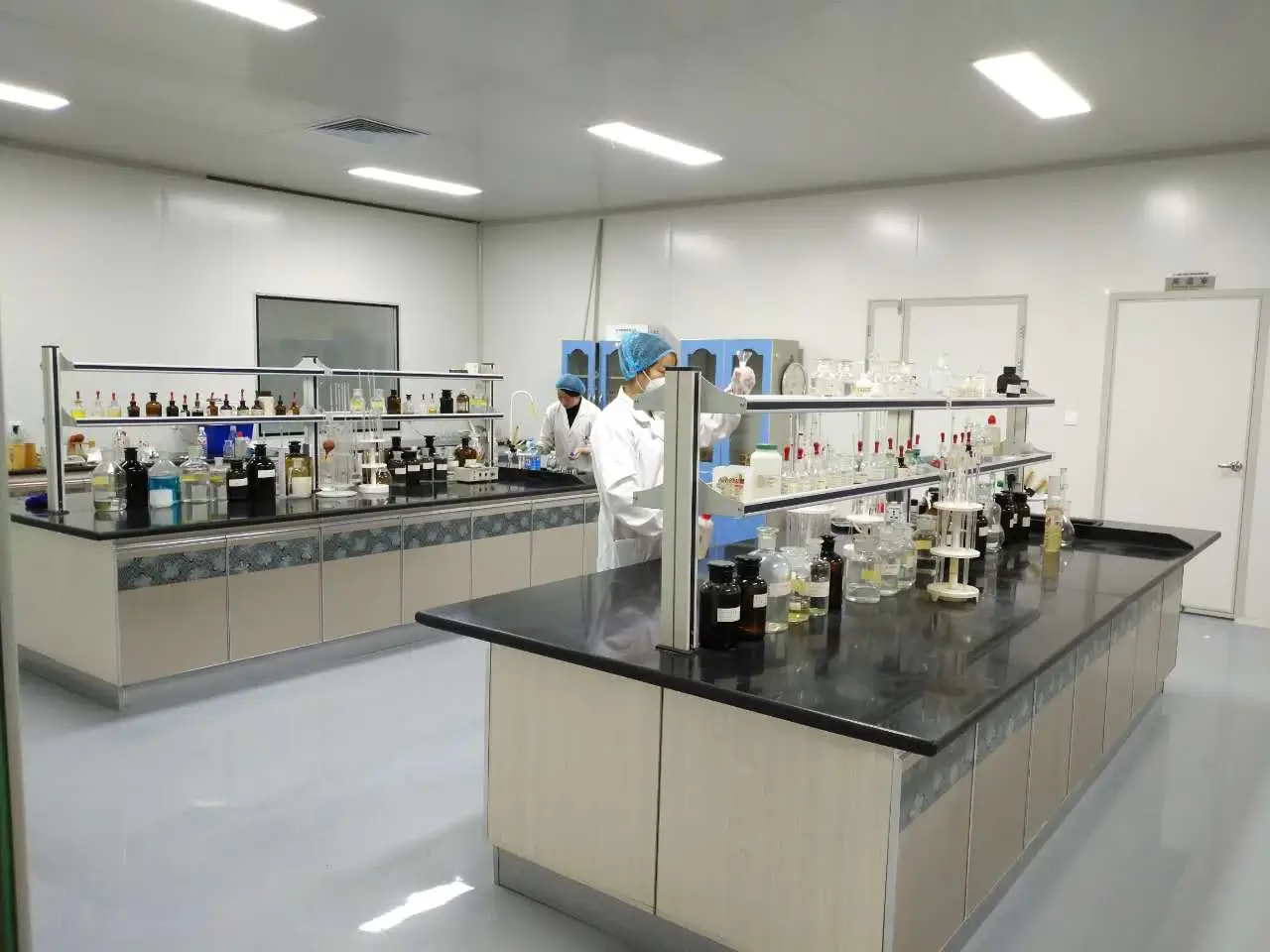
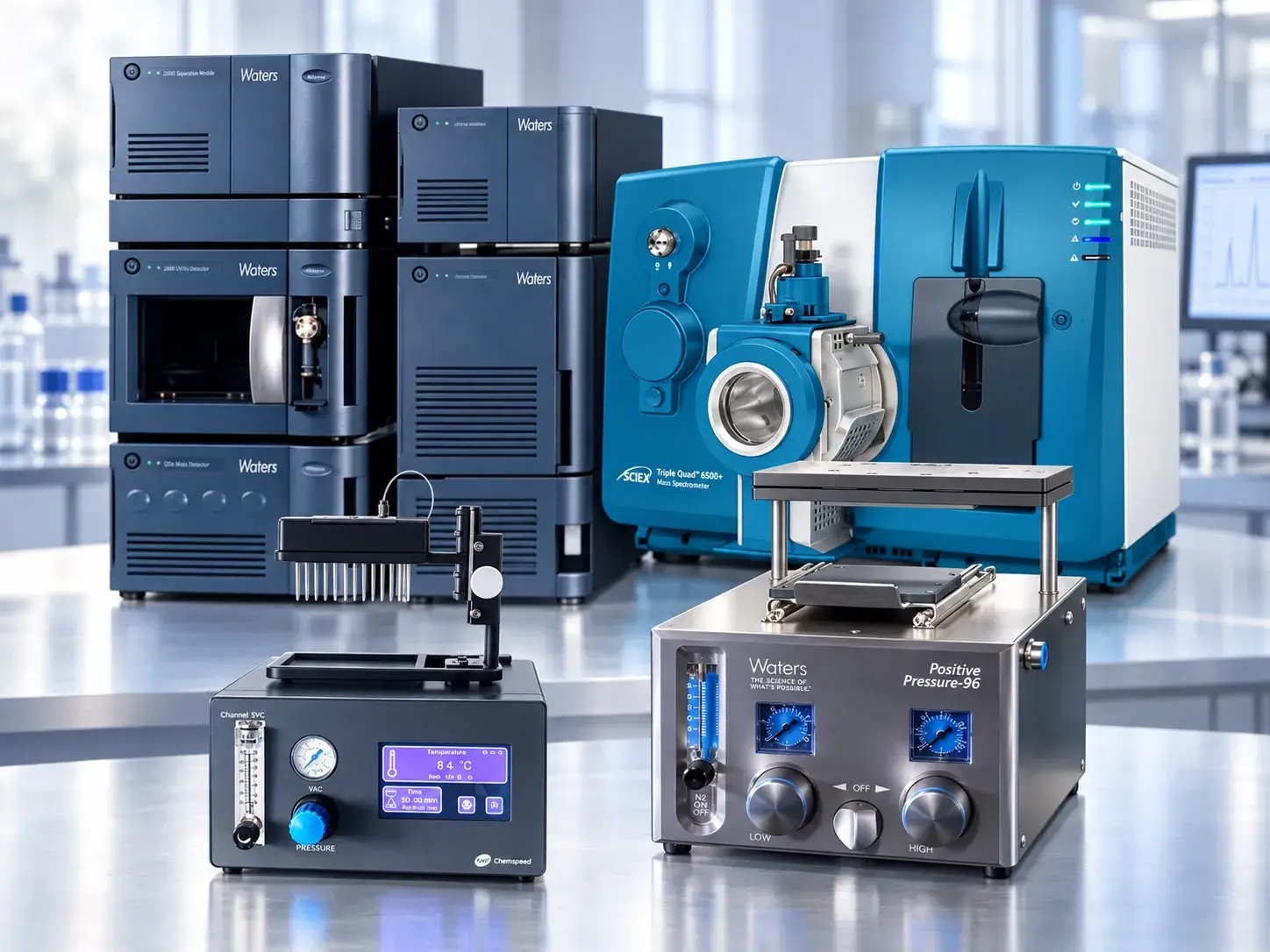
Facility views provide representative context. The executing site and site-specific documentation are confirmed during technical review.
Access to selected partner animal programs operating within AAALAC-accredited systems, where required and confirmed for the assigned facility.
GLP study execution can be placed with qualified partner laboratories; the exact site, scope, and quality framework are confirmed per study.
Selected partner laboratories include facilities with FDA GLP inspection experience. The relevant inspection history is verified for the assigned site.
Animal protocols are reviewed through the executing institution’s ethics and animal-care oversight process.
Partner facilities maintain veterinary supervision appropriate to the species, procedures, housing, and study design.
Animal care, welfare monitoring, and periodic facility review are part of partner-site qualification and study planning.
Accreditation status, inspection history, GLP scope, ethics oversight, veterinary arrangements, and animal-welfare procedures are verified for the laboratory assigned to each program.
Tell us what you need help with, and our team will follow up to discuss the appropriate study support.Required fields are marked with an asterisk(*).