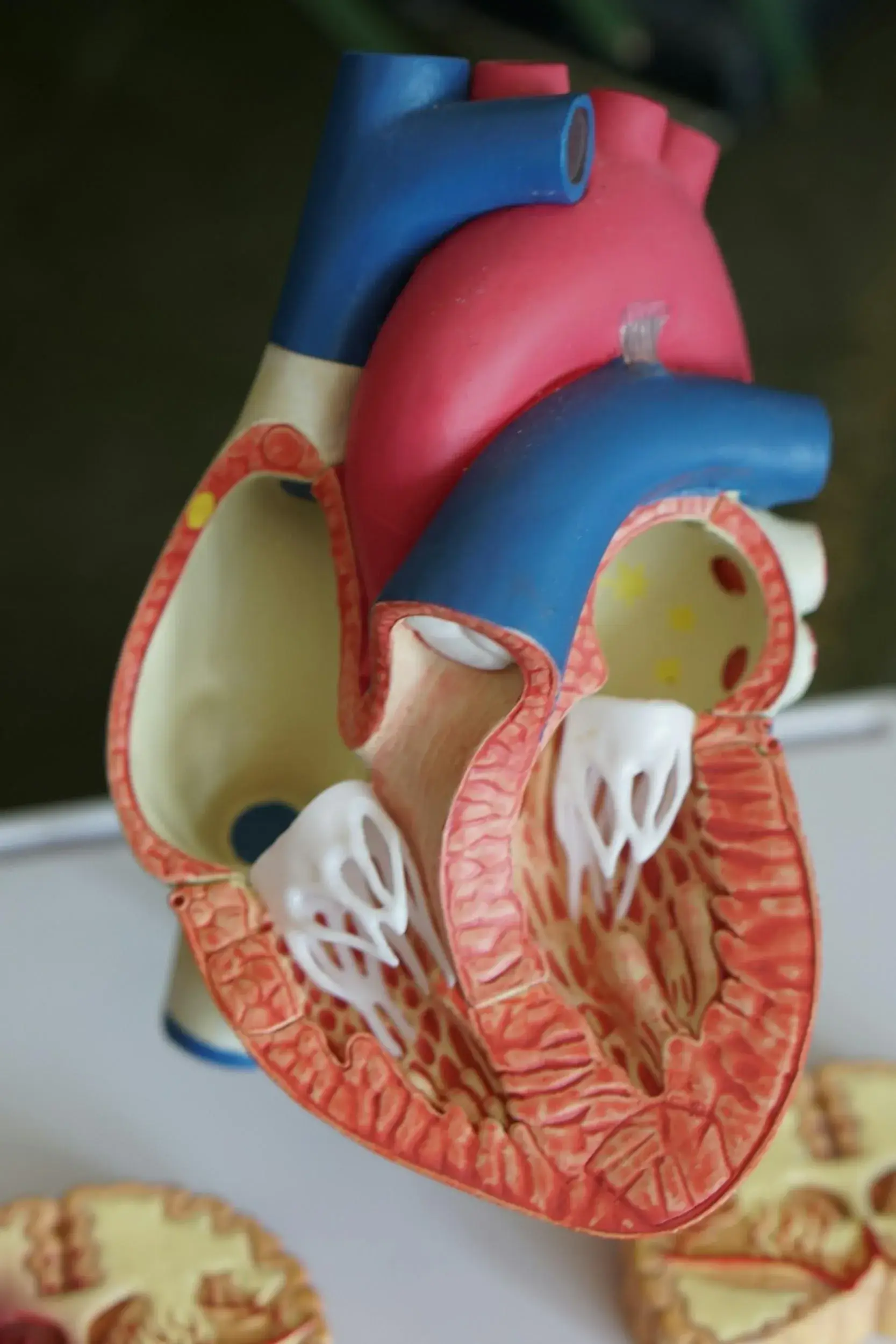
Systolic heart failure
Myocardial-infarction-based studies for programs targeting a systolic heart-failure context.

Documented rat heart-failure platforms include myocardial-infarction systolic heart failure and abdominal- or aortic-arch-constriction diastolic heart-failure models.
Heart-failure phenotype, induction approach, treatment window, functional assessment, tissue collection, and biomarker package are aligned per study.
Partner documentation identifies myocardial-infarction and pressure-overload approaches for heart-failure pharmacology. The specific model is selected around the intended disease phenotype and development question.
Myocardial-infarction-based studies for programs targeting a systolic heart-failure context.
Pressure-overload models using abdominal or aortic-arch constriction for diastolic heart-failure research.
Compare candidate and reference treatment arms using protocol-defined cardiovascular assessments.
Combine efficacy assessment with fit-for-purpose biomarkers and cardiac tissue analysis when required.
Endpoints are finalized with the selected model, species or strain, treatment design, and partner laboratory before study placement.
Protocol-defined functional measurements appropriate to the selected heart-failure model.
Body weight, general observations, and model-specific in-life measurements.
Protocol-defined circulating or tissue biomarkers selected for the candidate mechanism.
Cardiac tissue collection and histopathology when included in the study plan.
Exact surgical method, model-entry criteria, functional readouts, treatment window, and tissue package are confirmed during technical review.
Share the compound, mechanism, development question, preferred model, and intended endpoints. We can review fit, feasibility, and the appropriate partner-laboratory route for a Heart Failure study.Required fields are marked with an asterisk(*).