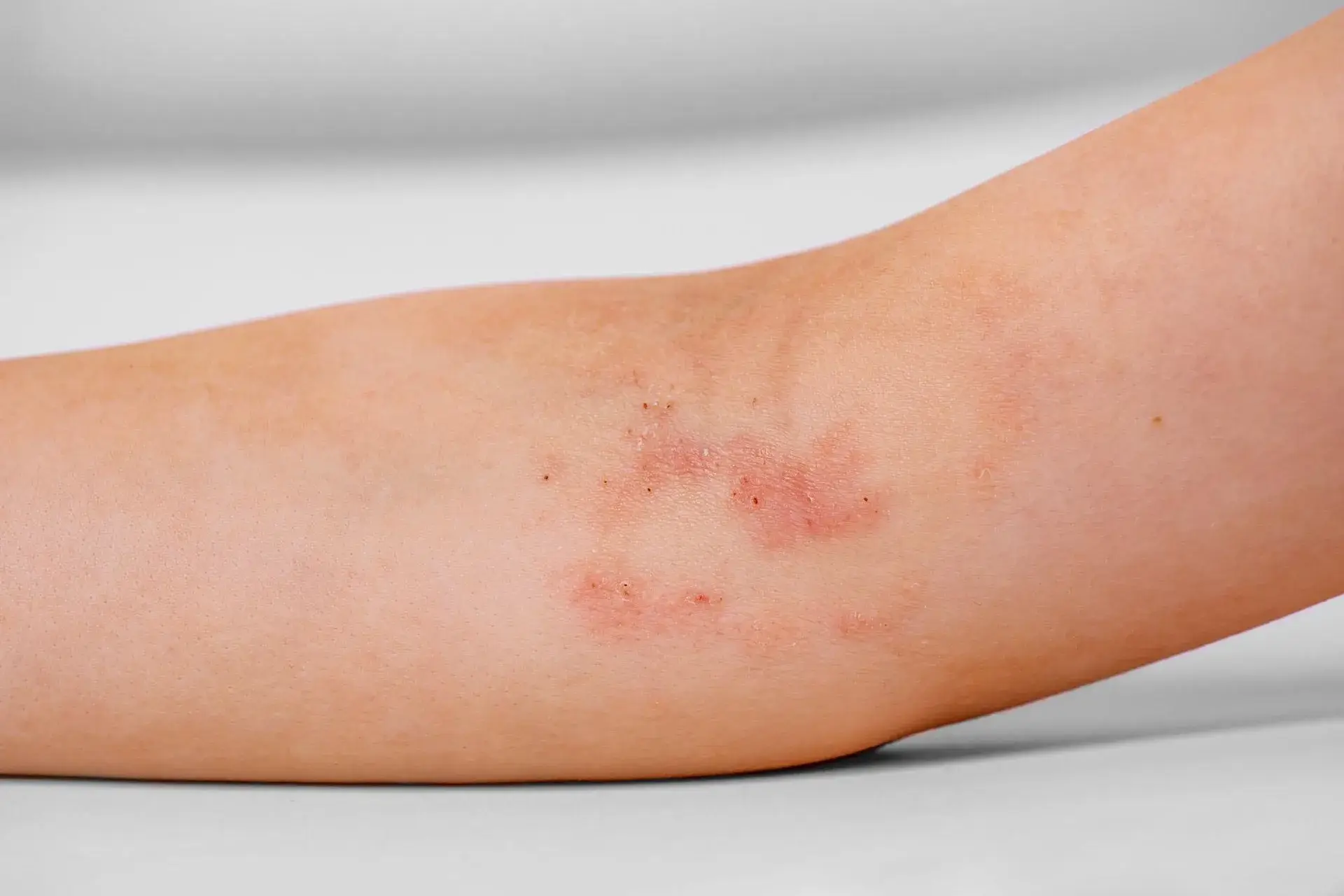
Anti-inflammatory efficacy
Evaluate candidate activity in a selected induced atopic-dermatitis mouse model.

Documented atopic-dermatitis platforms include OXA-, DNCB-, FITC-, and MC903-induced mouse models for inflammatory skin-disease pharmacology.
Induction format, treatment route, study window, skin assessment, tissue collection, and biomarker package are selected around the program objective.
The reviewed partner portfolios include several induced atopic-dermatitis models, enabling study design to be matched to candidate mechanism, route of administration, treatment duration, and required skin or biomarker outputs.
Evaluate candidate activity in a selected induced atopic-dermatitis mouse model.
Align route and formulation with the intended product profile when technically appropriate.
Collect protocol-defined skin samples for histology, molecular analysis, or other downstream work.
Integrate exposure, pharmacodynamic, and inflammatory biomarker measurements when required.
Endpoints are finalized with the selected model, species or strain, treatment design, and partner laboratory before study placement.
Protocol-defined skin-disease and treatment-response assessments.
Skin tissue collection and histology according to the selected protocol.
Inflammatory or mechanism-linked biomarker measurements selected for the program.
Systemic or selected tissue exposure when PK/PD work is incorporated.
Exact induction regimen, mouse strain, treatment window, skin assessment, pathology, and biomarker package are confirmed during technical review.
Share the compound, mechanism, development question, preferred model, and intended endpoints. We can review fit, feasibility, and the appropriate partner-laboratory route for a Atopic Dermatitis study.Required fields are marked with an asterisk(*).