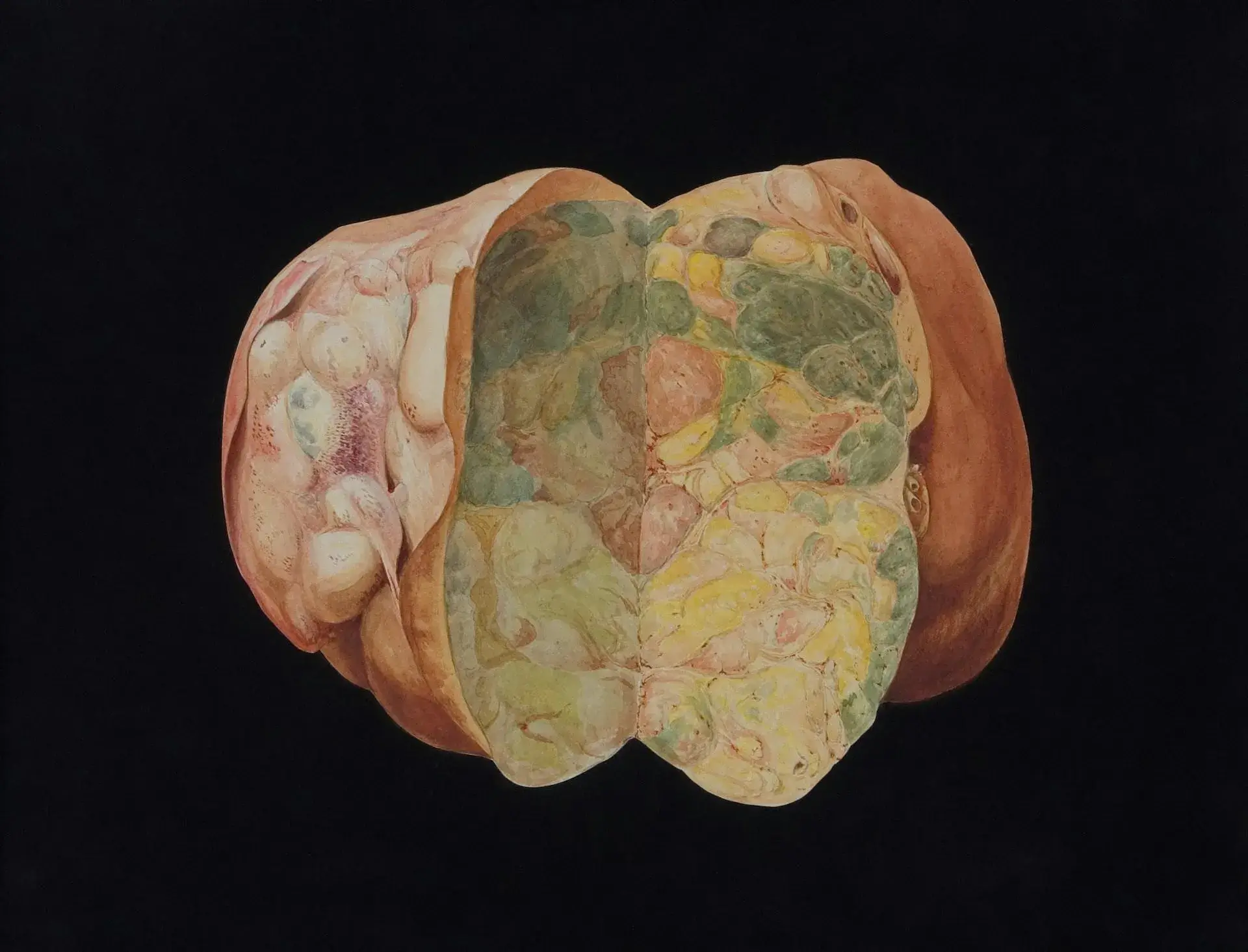
Anti-fibrotic efficacy
Evaluate candidate activity in a CCl4-induced liver-fibrosis setting using protocol-defined treatment windows.

CCl4-induced liver fibrosis is documented within the partner model portfolio alongside TAA, HSA, liver-failure, and other hepatic injury or fibrosis study formats.
Species, induction regimen, baseline fibrosis state, treatment window, pathology, biomarkers, and exposure outputs are confirmed per program.
CCl4-induced liver fibrosis can support efficacy and tissue-oriented programs, while the wider partner portfolio includes additional fibrosis and hepatic-injury models for mechanism-matched study design.
Evaluate candidate activity in a CCl4-induced liver-fibrosis setting using protocol-defined treatment windows.
Collect liver tissue for fibrosis-focused histology and downstream tissue analysis.
Integrate protocol-defined hepatic injury, fibrosis, or mechanism-linked biomarkers.
Link systemic or liver exposure to pharmacodynamic and efficacy readouts when required.
Endpoints are finalized with the selected model, species or strain, treatment design, and partner laboratory before study placement.
Protocol-defined histology and fibrosis-oriented tissue assessment.
Serum or tissue biomarkers relevant to liver injury, fibrosis, or the candidate mechanism.
Liver tissue collection for molecular, biochemical, or other downstream analysis.
Plasma or liver exposure when incorporated into the study design.
Exact species and strain, induction regimen, treatment window, pathology package, endpoints, and timeline are confirmed during technical review.
Share the compound, mechanism, development question, preferred model, and intended endpoints. We can review fit, feasibility, and the appropriate partner-laboratory route for a Liver Fibrosis study.Required fields are marked with an asterisk(*).