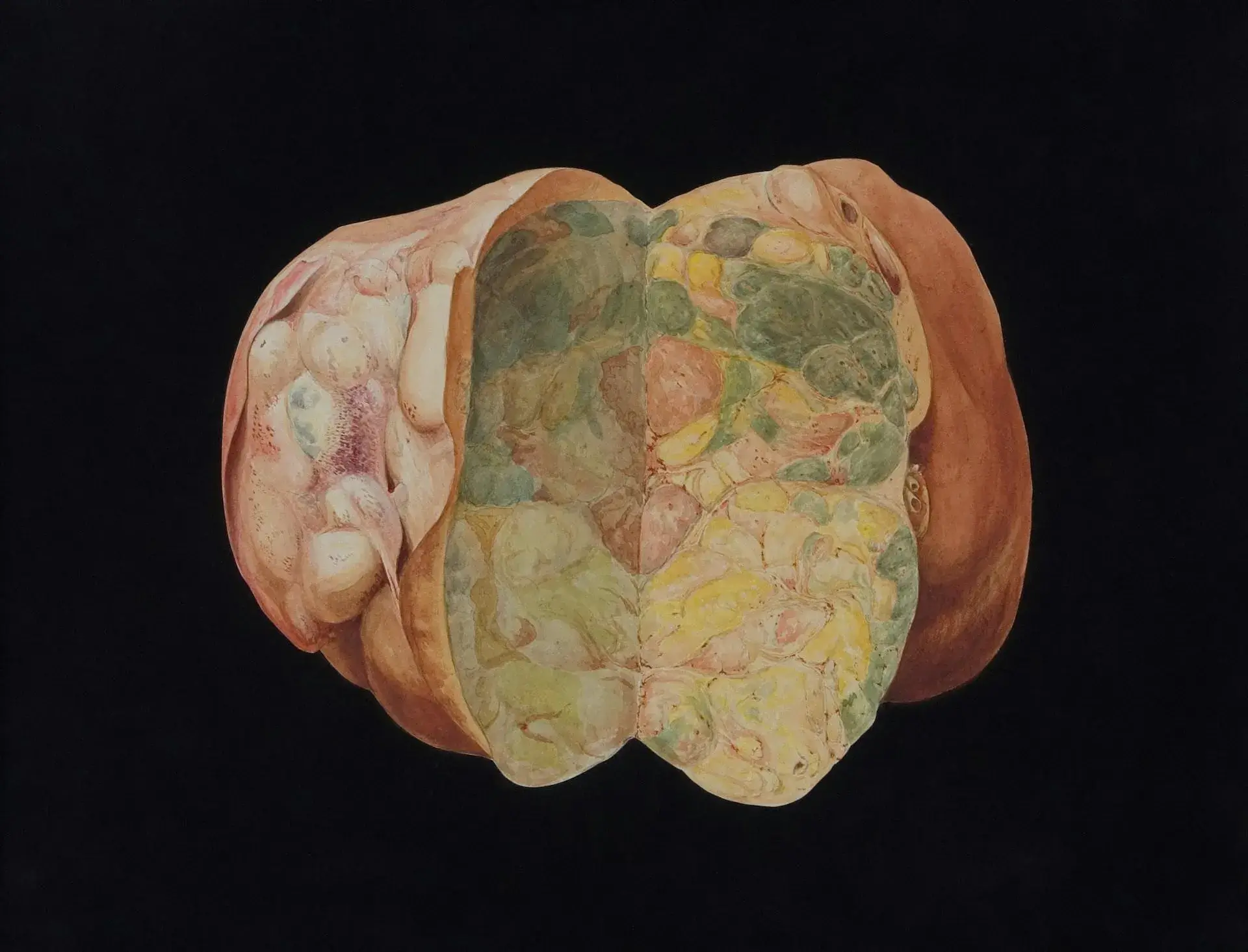
MASH efficacy
Evaluate candidate activity in diet-induced metabolic liver-disease settings using protocol-defined efficacy endpoints.

Diet-induced MASH/NASH models, including MCD-, AMLN-, and HFD/STZ-based study formats, support metabolic liver-disease pharmacology with histology, fibrosis, biomarker, and PK/PD endpoints.
Diet format, species or strain, induction duration, baseline disease state, treatment window, and tissue-readout package are confirmed for each program.
MASH/NASH studies can be configured around confirmed diet- or diet/chemical-induced formats, including MCD, AMLN, and HFD/STZ approaches, and aligned to the candidate mechanism, treatment schedule, disease stage, and required tissue or PK/PD outputs.
Evaluate candidate activity in diet-induced metabolic liver-disease settings using protocol-defined efficacy endpoints.
Assess liver fat accumulation, inflammatory changes, and related histopathology according to the selected model format.
Incorporate fibrosis-focused staining, scoring, or other tissue readouts when required by the development question.
Integrate systemic or liver exposure with biochemical, molecular, and mechanism-linked pharmacodynamic measurements.
Endpoints are finalized with the selected model, species or strain, treatment design, and partner laboratory before study placement.
Protocol-defined assessment of steatosis, inflammation, ballooning, and composite histopathology where applicable.
Fibrosis staining, scoring, and related tissue measurements selected for the study objective.
Serum and tissue biomarkers relevant to liver injury, lipid metabolism, inflammation, or the candidate mechanism.
Plasma or liver exposure and exposure-response measurements when incorporated into the program.
Final species, strain, diet composition, induction period, disease-entry criteria, histology package, and study timeline are confirmed during technical review.
Share the compound, mechanism, development question, preferred model, and intended endpoints. We can review fit, feasibility, and the appropriate partner-laboratory route for a MASH study.Required fields are marked with an asterisk(*).